Principle 06 · The format
The picture superiority effect: why a picture is remembered better than a word
5 minute read · Reviewed by [REVIEWER NAME] · Updated on
Short answer
The picture superiority effect is the tendency to remember what we saw as a picture better than what we read as a word. Recent studies attribute it to pictures being more distinctive than words, and a synthesis of 29 reviews shows that how pictures and text are combined also matters for learning.
What it is
When people are asked to recall a list of things, the ones shown as pictures tend to be remembered better than the ones shown as words. This is called the picture superiority effect.
In training, much of what a team needs to recognise is visual: a product, a piece of equipment, a document, a risky situation.
What the research says
The advantage comes from distinctiveness
Earlier studies by this team showed that the picture advantage disappears when black and white pictures are compared with words made visually distinctive through varied fonts, sizes and colours. This study extended the finding to free recall and associative recognition, and the results again supported physical distinctiveness. The authors argue that dual coding is no longer a viable explanation of the effect.
Higdon, Neath, Surprenant and Ensor (2025), Quarterly Journal of Experimental Psychology.
How to combine pictures and text
A synthesis of 29 systematic reviews, covering 1,189 studies and 78,177 participants, identified 11 multimedia design principles with positive effects on learning. The largest benefits came from captioning second language videos, placing pictures and text together in space and time, and signalling what matters. Removing appealing but irrelevant details also helped.
Noetel and colleagues (2022), Review of Educational Research.
Where the idea comes from. In a classic study, Paivio and Csapo (1973) showed that free recall was generally higher for items presented as pictures than as words. The title, imagery or dual coding?, sums up the question they asked: whether the advantage came from mental imagery or from a dual coding, verbal and visual, of the same item. They concluded in favour of dual coding. Recent research points to a different answer: distinctiveness.
Why it works
- More distinctive. A picture varies more than a written word, which makes it easier to tell apart in memory (Higdon and colleagues, 2025).
- Next to the text. The question and the picture appear side by side on the same screen, as the spatial contiguity principle recommends (Noetel and colleagues, 2022).
- Closer to reality. Recognising the right equipment in a photo is closer to what happens at the workplace than reading a description.
- Alternatives that make people think. Four similar pictures force players to spot what matters, which links to the plausible alternatives of good multiple choice (Little and colleagues, 2012).
How the game applies it

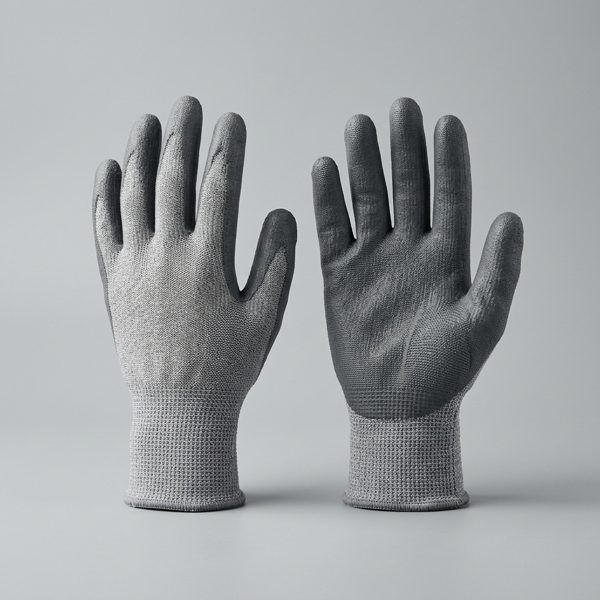
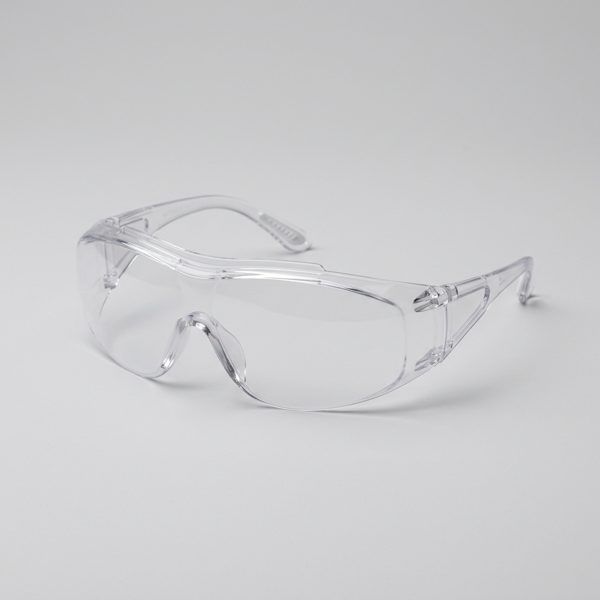
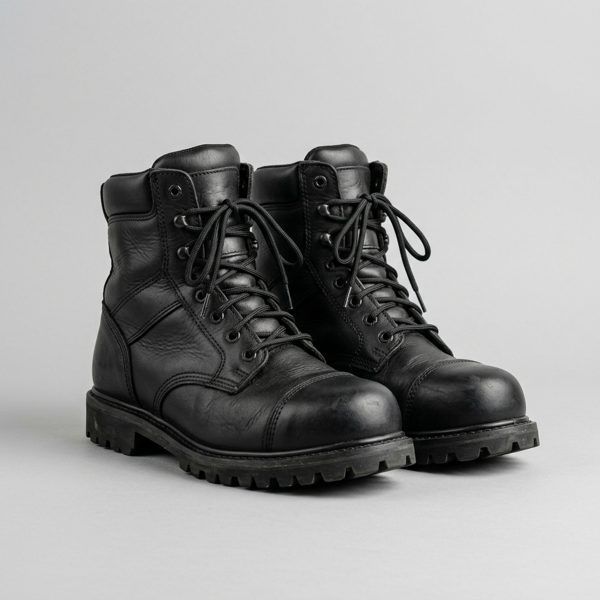
Which equipment protects against objects falling from the shelves?
21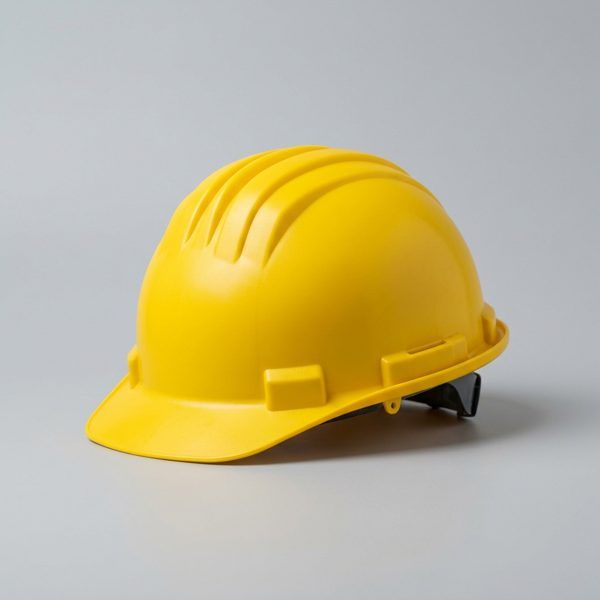
- Image in the question: show a real situation and ask what should be done.
- Images in the answers: pick the right product, piece of equipment or document.
- Trainers upload the images in the admin panel, alongside the question text. They work best when they show what matters for the answer, not decoration.
References
- Higdon, K. F., Neath, I., Surprenant, A. M. & Ensor, T. M. (2025). Distinctiveness, not dual coding, explains the picture-superiority effect. Quarterly Journal of Experimental Psychology, 78(1), 180-191. doi:10.1177/17470218241235520
- Noetel, M., Griffith, S., Delaney, O., Harris, N. R., Sanders, T., Parker, P., del Pozo Cruz, B. & Lonsdale, C. (2022). Multimedia design for learning: an overview of reviews with meta-meta-analysis. Review of Educational Research, 92(3), 413-454. doi:10.3102/00346543211052329
- Little, J. L., Bjork, E. L., Bjork, R. A. & Angello, G. (2012). Multiple-choice tests exonerated, at least of some charges: fostering test-induced learning and avoiding test-induced forgetting. Psychological Science, 23(11), 1337-1344. doi:10.1177/0956797612443370
- Paivio, A. & Csapo, K. (1973). Picture superiority in free recall: imagery or dual coding?. Cognitive Psychology, 5(2), 176-206. doi:10.1016/0010-0285(73)90032-7